|

|
|
Return to Vintage Corvettes Home Page
Return to Vintage Corvettes Features Page
By Paul Pollock
Publisher, The Corvette Story
Publisher, The Corvette Story
Corvette Concept Car Drawings
1960 Corvette XP700 Concept
The XP700 was a Bill Mitchell creation.
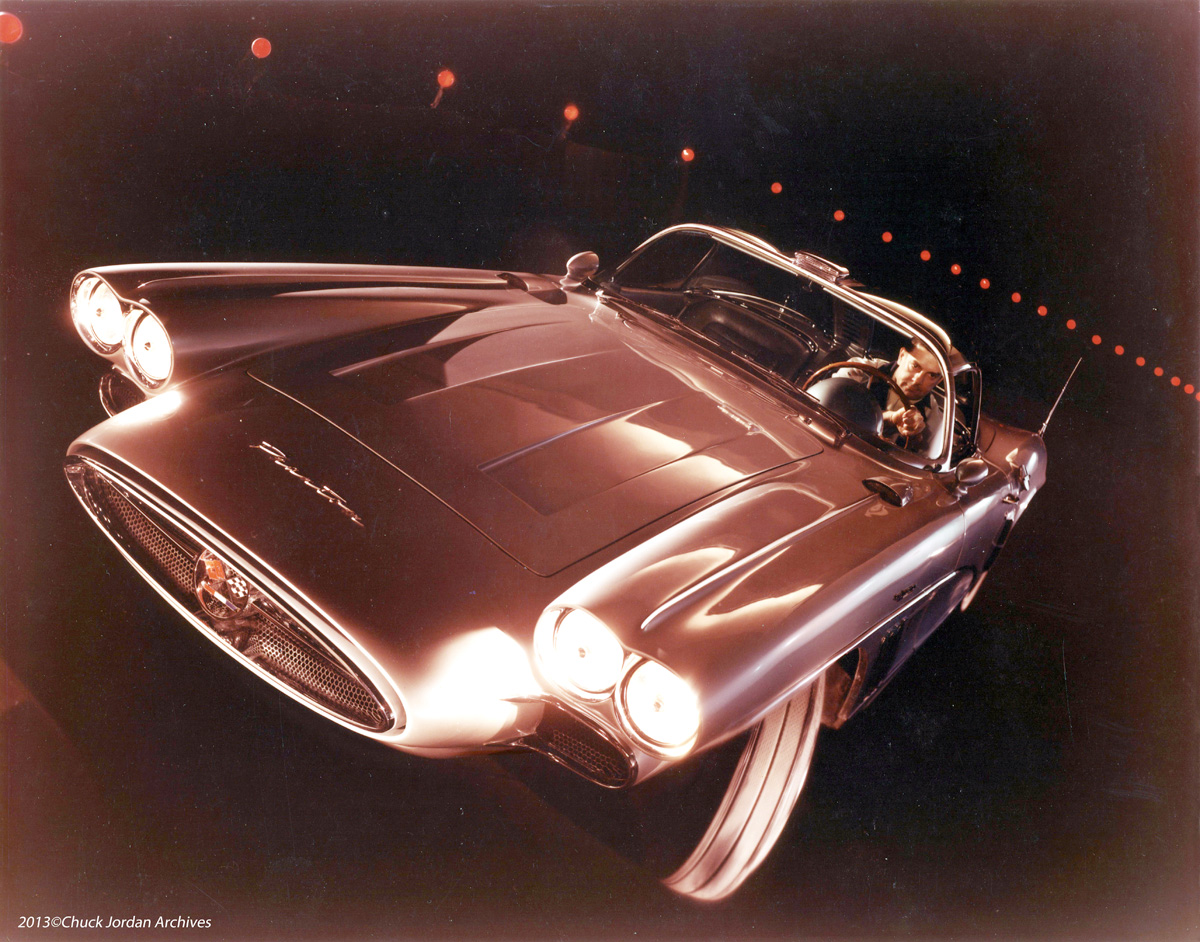
We never saw the XP700 in production although it did travel the show car circuit and was presented as a future Corvette. Note the use of the Dayton wire wheels. They are still manufactured today and are popular with the lowrider crowd.
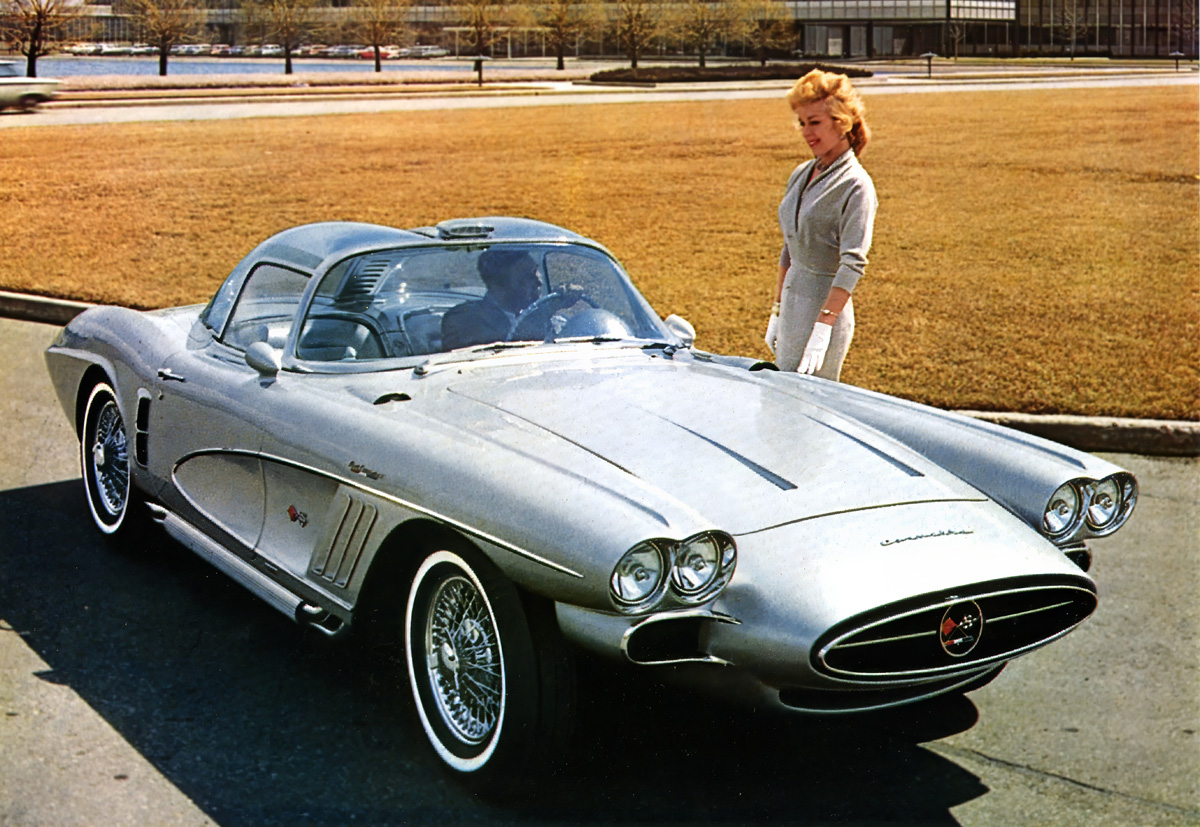

C2 Concept Drawing
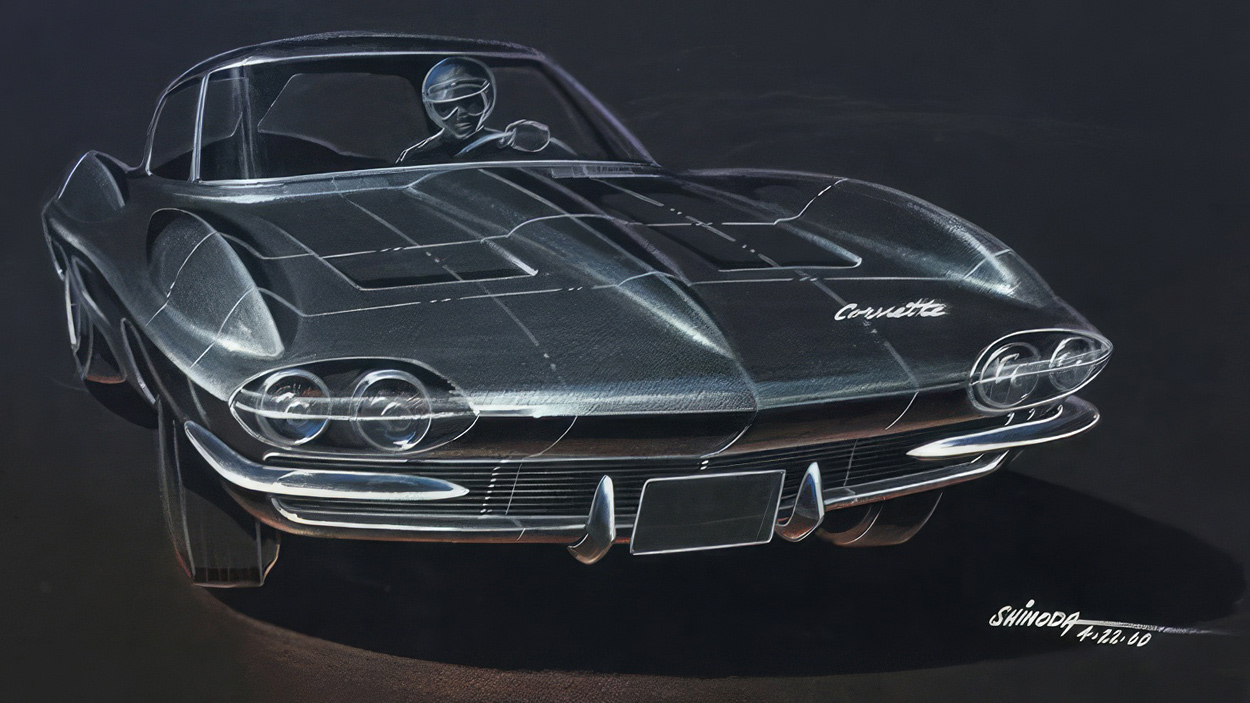
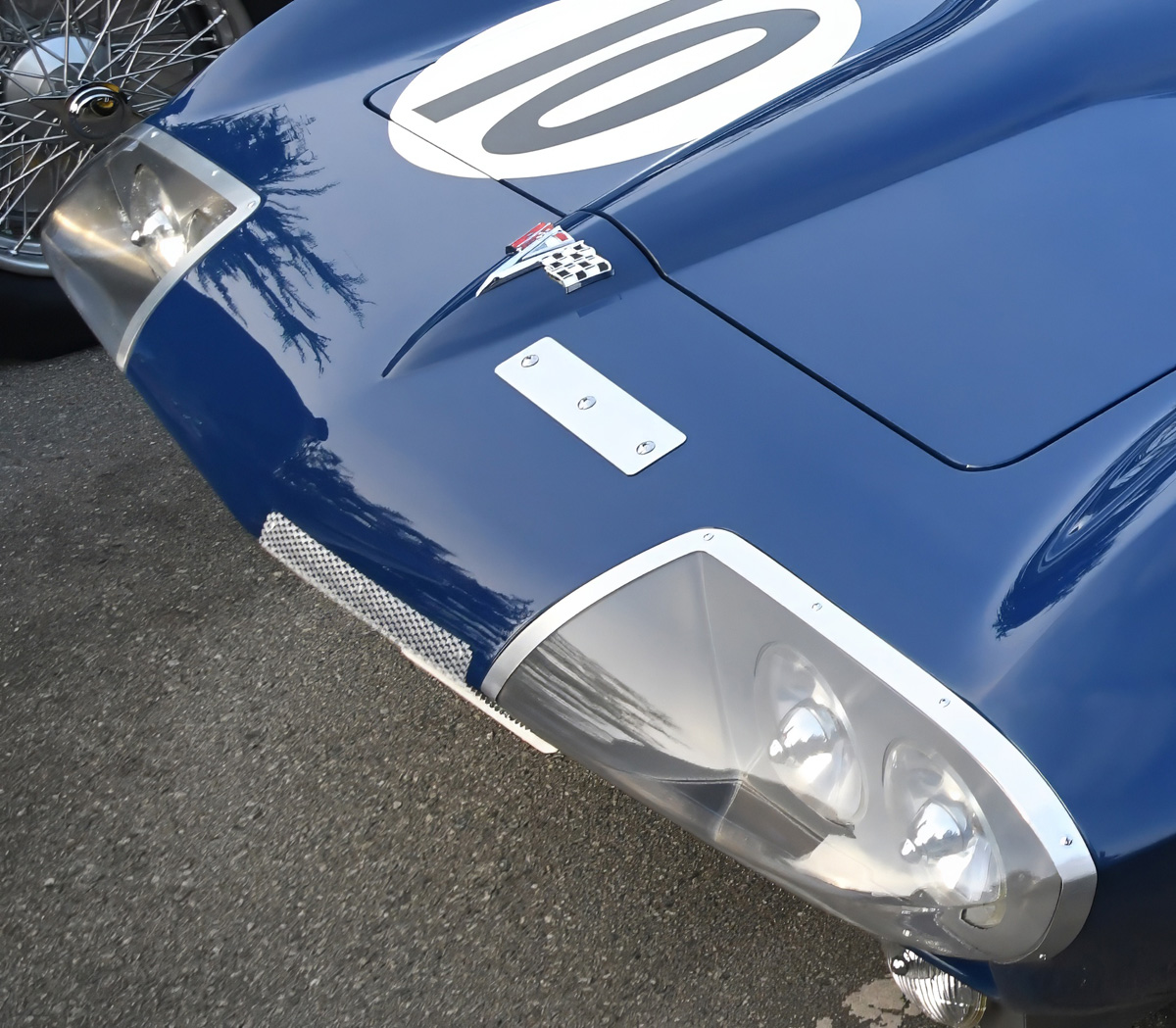
C2 Corvette concept drawing by Larry Shinoda, one of the designers working for Bill Mitchell. Dated April 22, 1960. While not a perfect prediction of how the 1963 model would look, it is close. Note the rounded front edge; also the hood cutlines are not there. A "Corvette" script on the front left of the hood would not appear until 1966. Plexiglass headlight covers, while they had aerodynamic, weight and cost advantages, ran afoul of lighting regulations at the time. Below: The covers could be found on the 1963 Corvette Grand Sport however.
1973 GM Aerovette
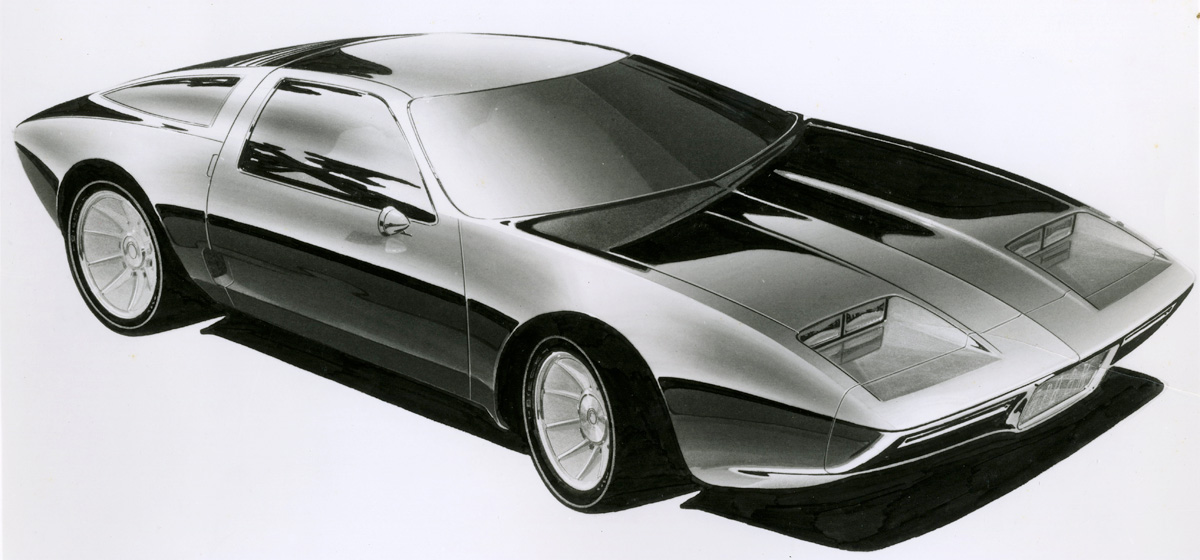
The Aerovette started life as the 4-Rotor Corvette in the late '60s and early '70s when the world thought that the rotary / Wankel engine would be the future of automobile propulsion. Fuel economy and emissions problems caused it to be abandoned and GM installed a Chevrolet small block motor and named it the Aerovette.
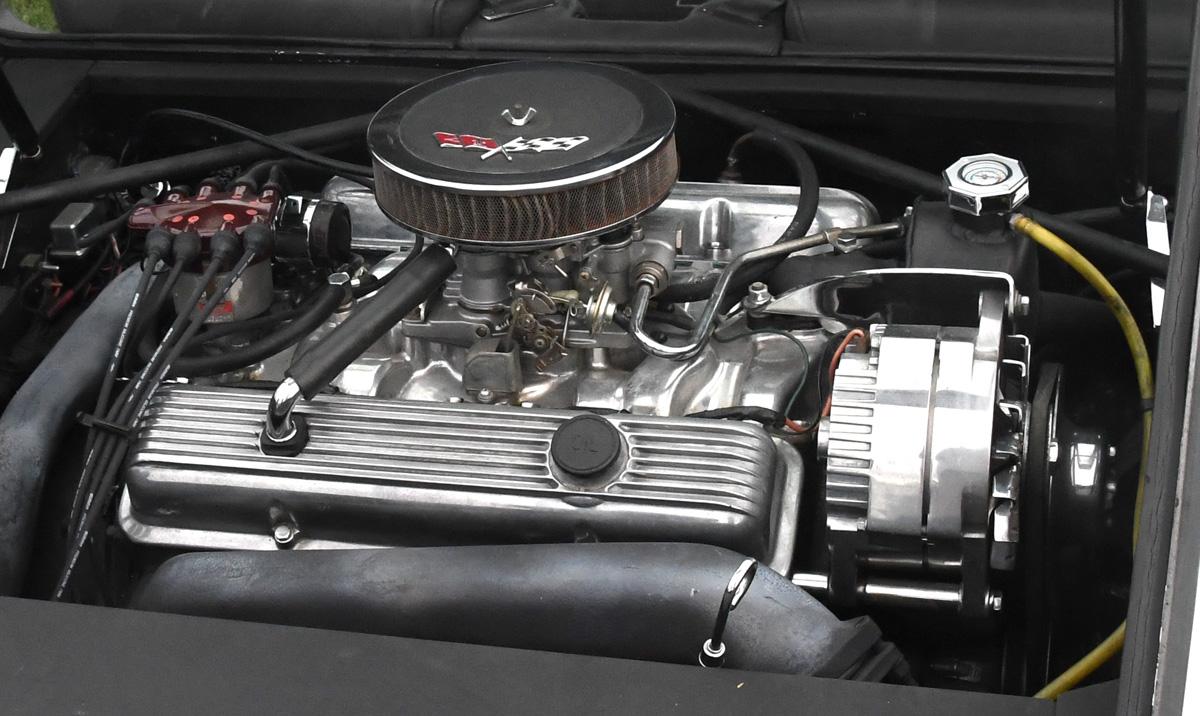
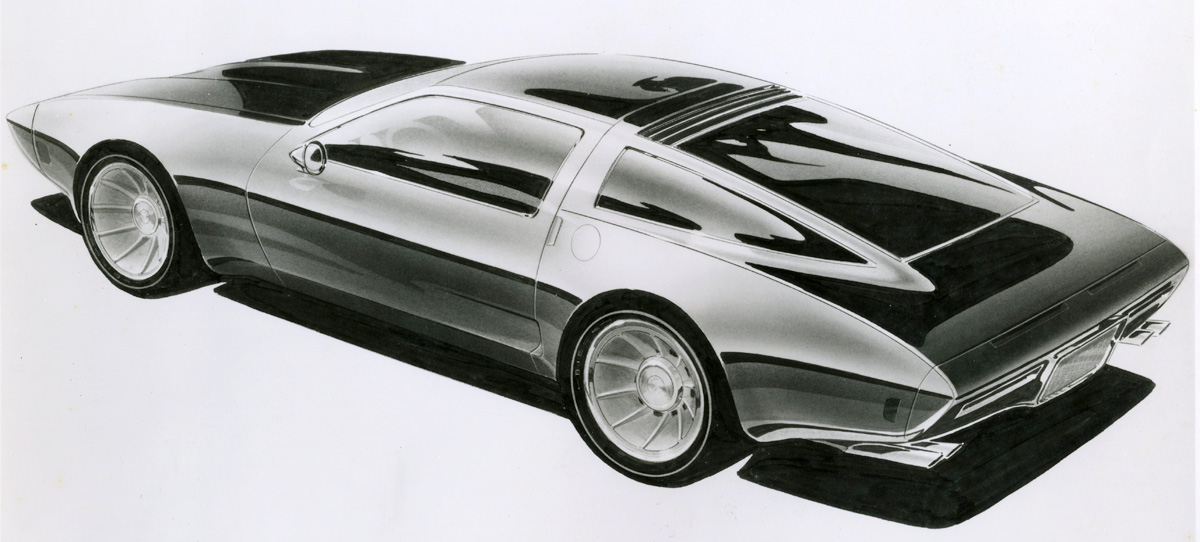
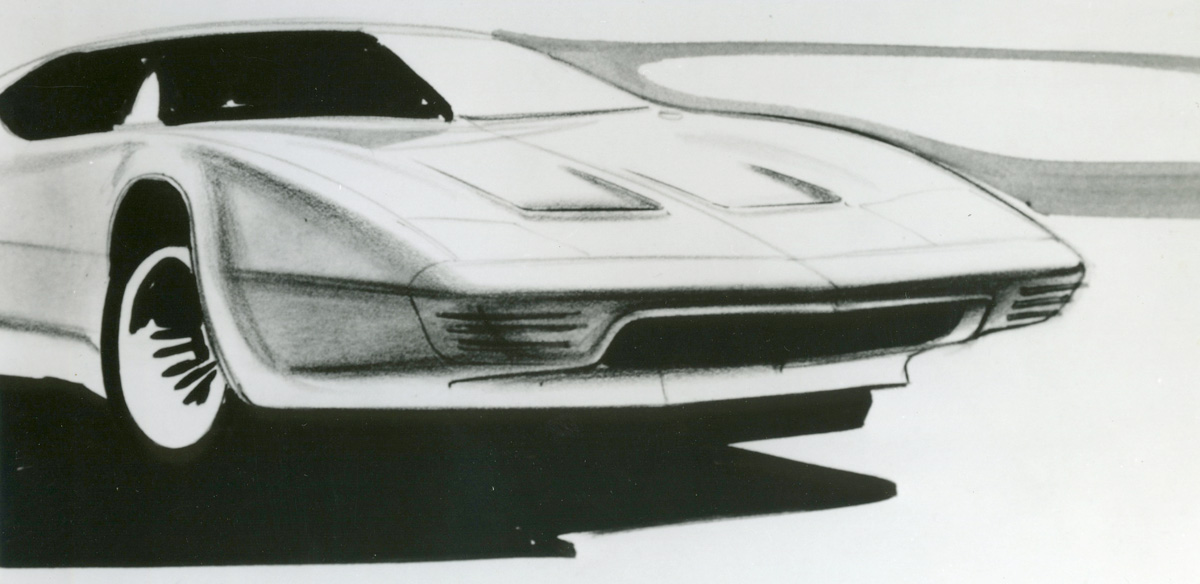
The Aerovette, which is still owned by General Motors, was an early mid engine concept. Unlike most concept cars which begin life as a drawing, the Aerovette went on to become a fully functioning car.
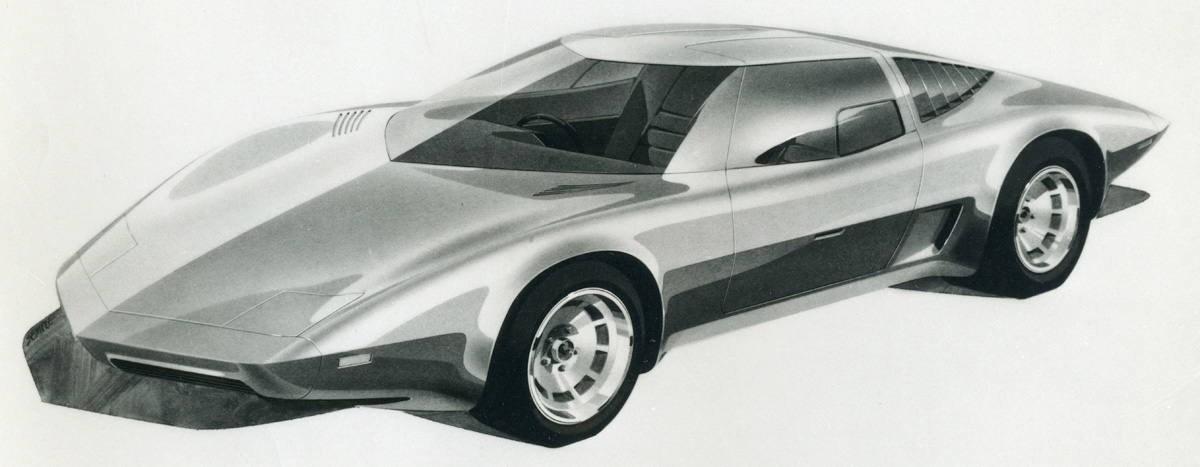
People often, when looking at concept car drawings, will ask "Why don't the production cars look like this?". The answer is a classic case of the adage "Be careful what you ask for, you might get it." Rearward visibility is a problem and even forward visibility can be a struggle.
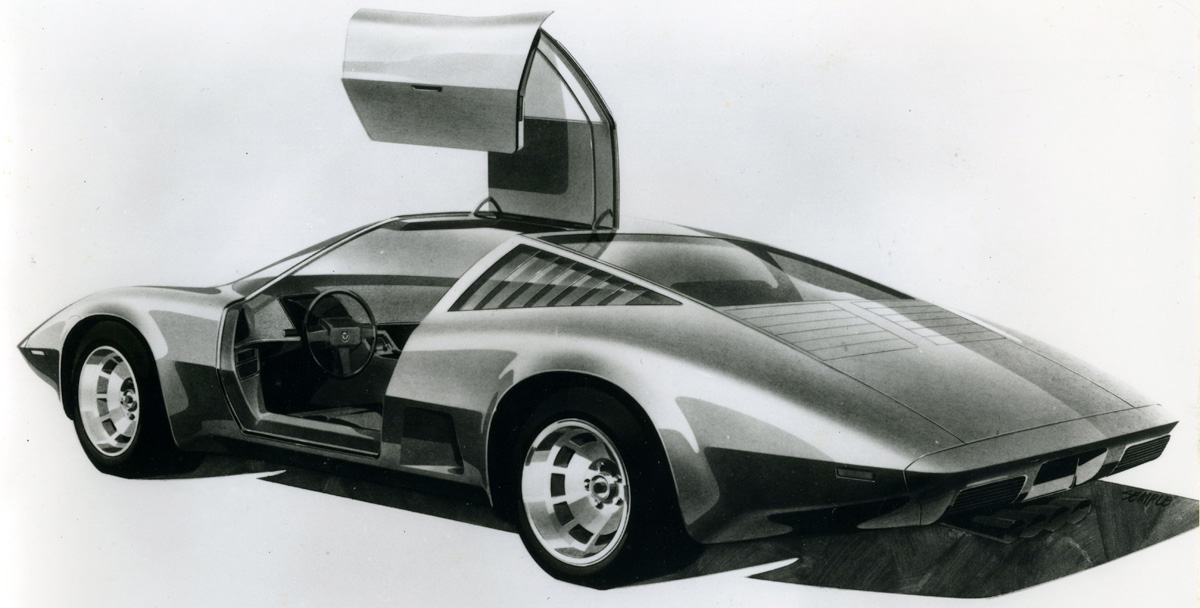
Consider the doors, for example. Because of their articulating design, an opening window was not possible. Not many of us would tolerate that situation.
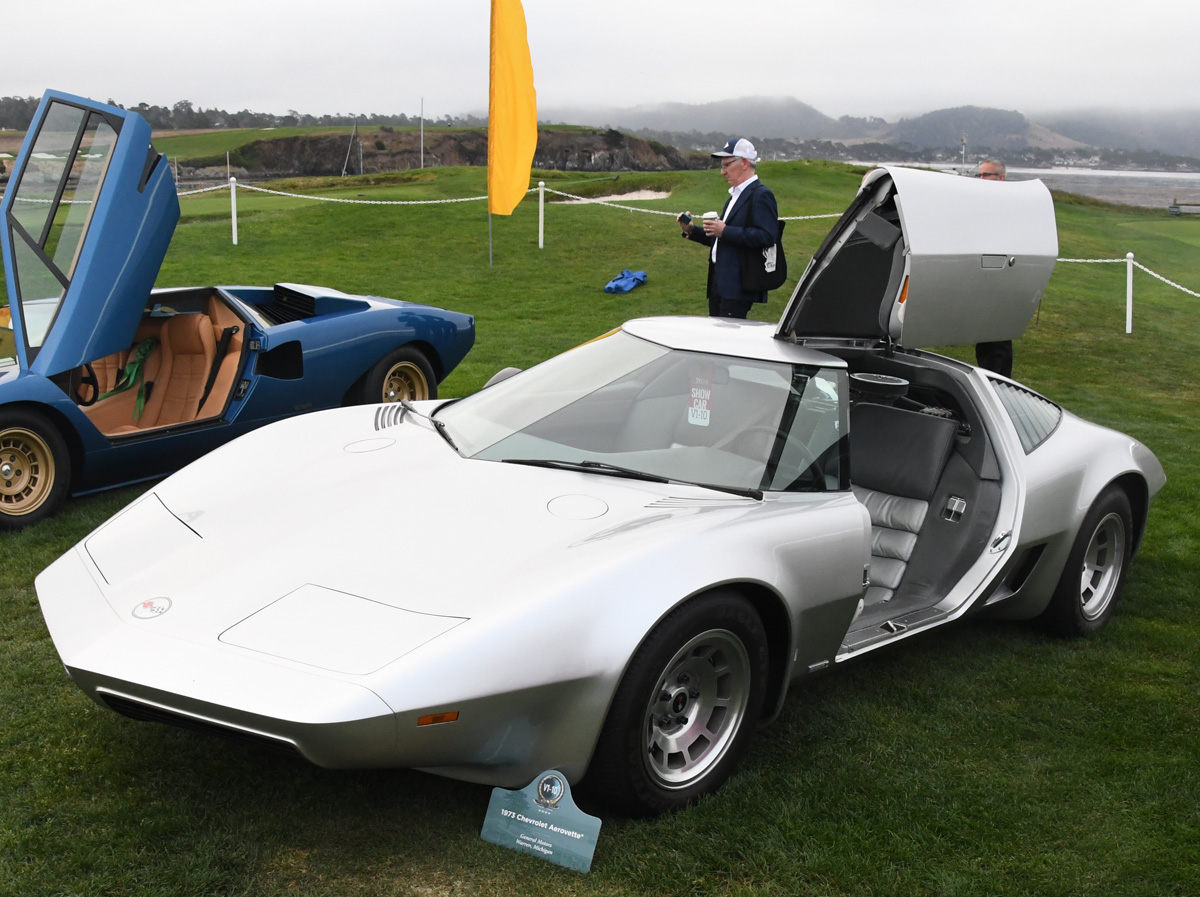
The Aerovette as it appeared on the lawn at the Pebble Beach Concours in 2024.
Corvette C5 Design Sketches
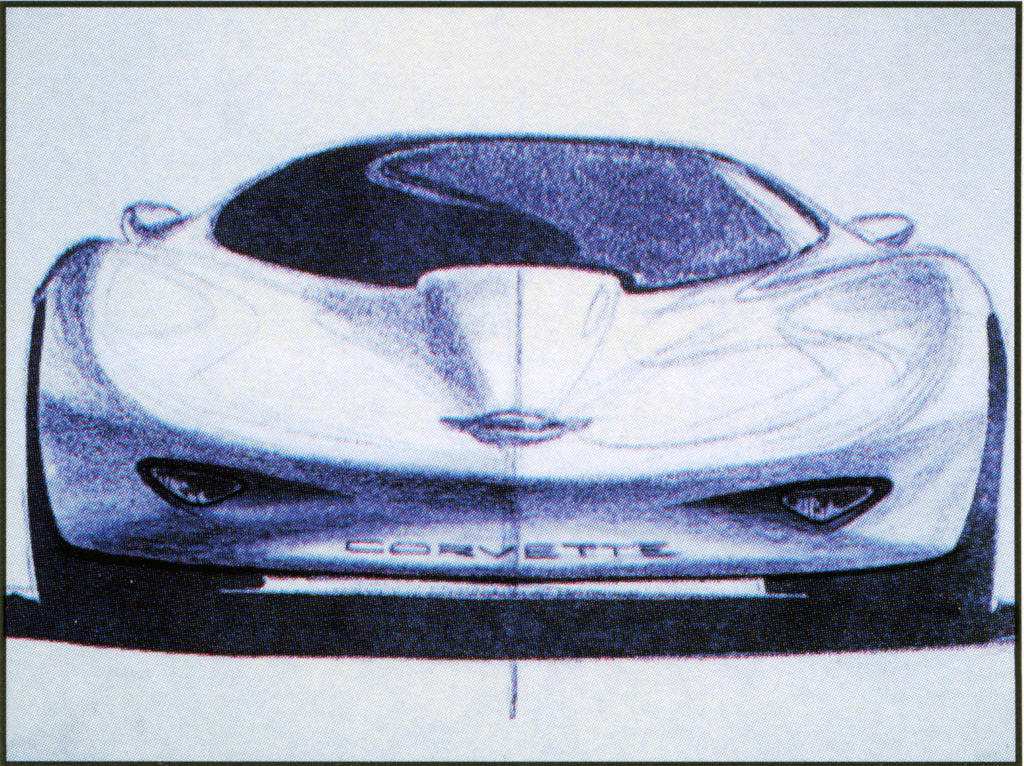
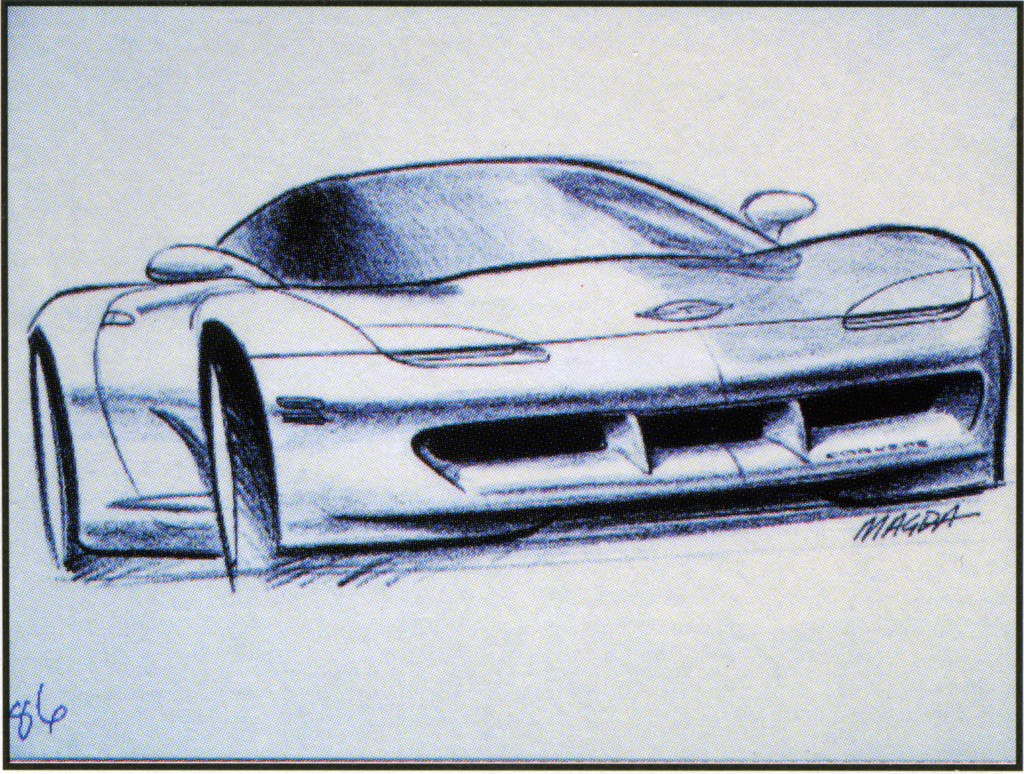
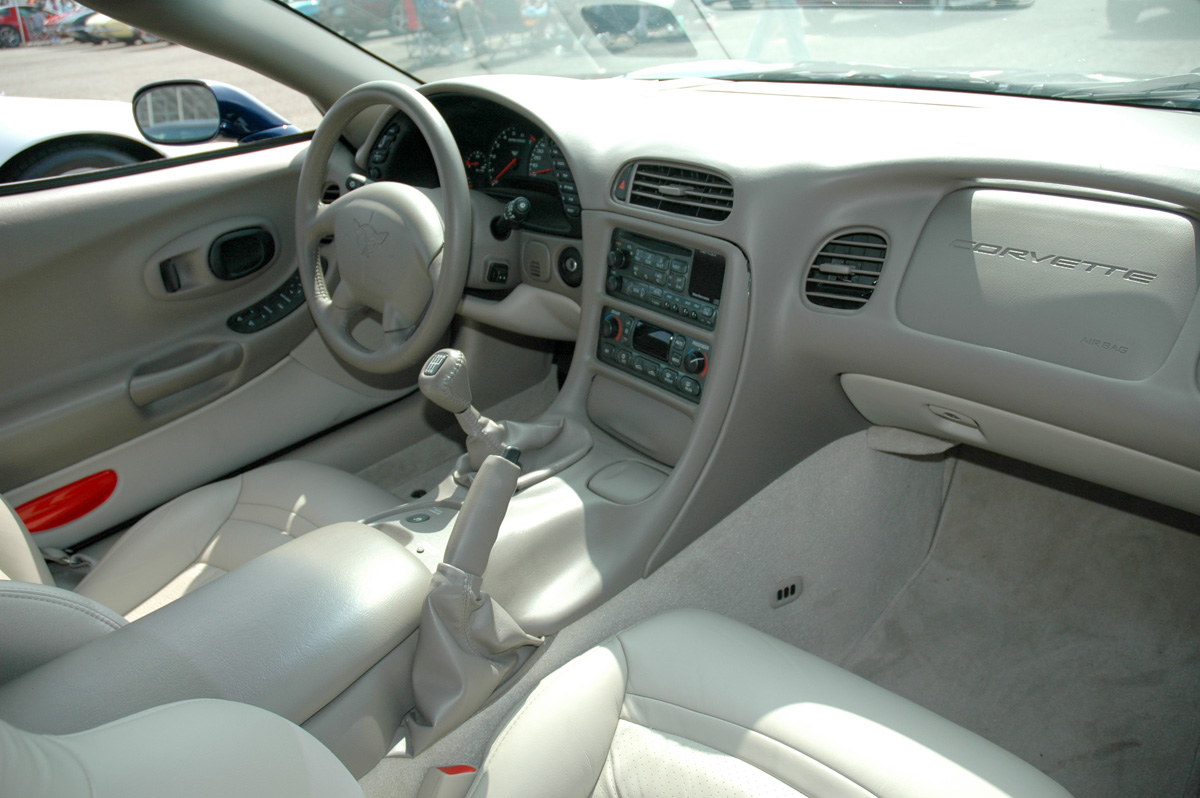
Although GM sourced, the C5 prototype drawings had little resemblance to the production C5.
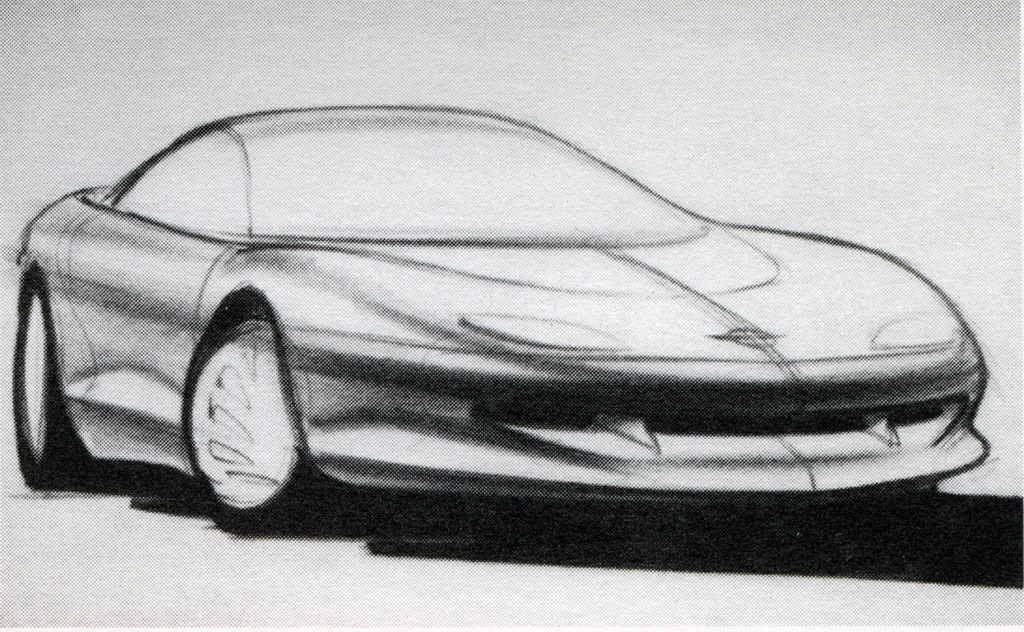
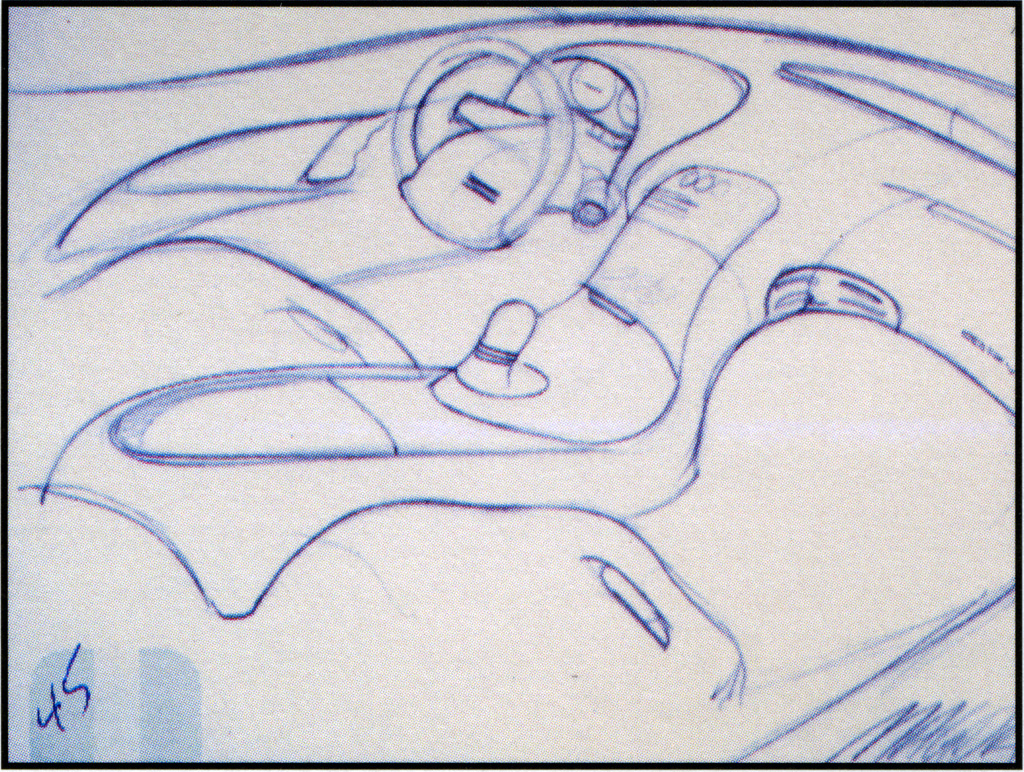
The interior C5 concept did look like the production interior (below).
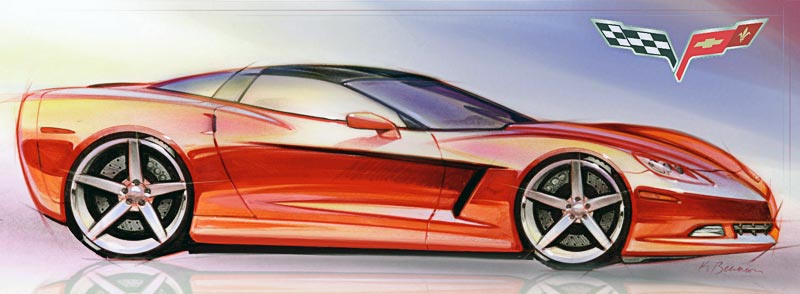
Corvette C6 Design Sketches
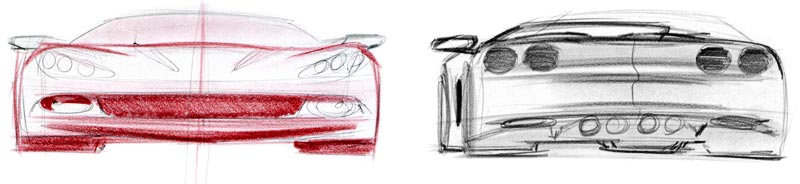
Observe the impractically low roofline. Designers can go a bit crazy when equipped with pencils and paper. People sometimes ask "Why don't the cars we buy look like the drawings?". The answer is: Be glad they don't. After all, who needs headroom?
Click on any image to view a larger image